
Travel Pillow That Actually Supports Your Neck (UK) — Not Those Useless Donuts
Most travel pillows are pointless. Here’s what actually works for long-haul flights and overnight buses: what to look for, what to avoid, and how to choose a pillow that supports your neck.
SLEEP & COMFORT
4/20/20262 min read


Quick answer
If you wake up on a flight with a stiff neck and a bad attitude, your pillow isn’t doing its job. A travel pillow only works if it stops your head dropping and supports your neck in the position you actually sleep in (window-leaner, upright, or “I fold into myself like a pretzel”).
Affiliate note: This post contains affiliate links (Amazon UK).
The truth: most travel pillows are comfort theatre
The classic U-shaped “donut” pillow is everywhere because it looks like travel. Not because it works.
Real travel sleep is awkward: you’re upright, you’re cramped, and the seat is designed for sitting, not sleeping. If your pillow doesn’t prevent that slow head-drop (forward or sideways), you’ll still wake up wrecked.
I’m not trying to be cosy. I’m trying to arrive functional.
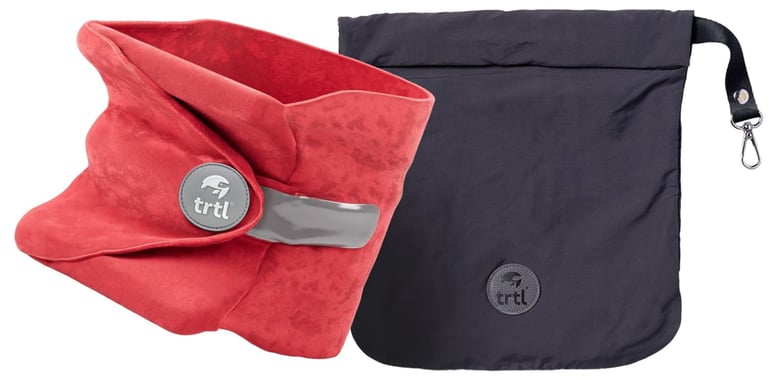
The travel pillow I recommend (and why)
I’m recommending this one because it’s built around the only thing that matters: support. Not fluff. Not “softness”. Support that keeps your neck from taking the full hit when you’re sleeping upright.
If you do long-haul flights, overnight buses, or even just brutal early-morning airport days, this is one of those items that can genuinely change how you feel when you land.
What to look for in a travel pillow (so you don’t waste money)
1) Neck support that prevents the head-drop
The goal is simple: your head shouldn’t keep falling forward or sideways.
2) The right shape for how you sleep
Be honest about your sleep style:
Window-leaner: you need side support and something that cushions against the wall.
Upright sleeper: you need forward/side support to stop the nod.
Restless sleeper: you need something that stays in place and doesn’t collapse.
3) Firm enough to support, soft enough to tolerate
Too soft collapses. Too firm becomes torture. The sweet spot is “supportive but wearable”.
4) Packability (because if it’s annoying, you won’t bring it)
If it’s massive, it becomes that thing you carry for 10 hours and use for 20 minutes. The best travel pillow is the one you’ll actually pack.
What to avoid (the mistakes that create neck pain)
buying the fluffiest pillow and assuming it equals support
anything that forces your chin to your chest
pillows that slide around the moment you move
“one-size-fits-all” claims (your neck disagrees)
My realistic sleep kit for flights/overnight buses
If I’m trying to actually sleep, I pair:
earplugs
travel pillow
hoodie/eye-cover situation
water, because plane air is basically dehydration in a tube
It’s not glamorous. It works.
Best for / avoid if
Best for: long-haul flights, overnight buses/trains, light sleepers, anyone who arrives with neck pain.
Avoid if: you never sleep sitting upright (lucky you) or you only do short flights.
FAQs
Do travel pillows work on planes?
Yes, if they provide actual support. Most cheap ones don’t.
What’s better: inflatable or foam?
Inflatable packs smaller but can feel unstable. Foam/support pillows can be more supportive but bulkier. Choose based on what you’ll actually carry.
How do I stop my head falling forward when I sleep upright?
You need a pillow shape that supports the front/side of your head, not just the back of your neck.
Is a travel pillow worth it for short flights?
Usually not. It’s worth it when you’re trying to sleep for real (long-haul, overnight transport, early airport days).

New here?
EXPLORE
Discover
© 2026. All rights reserved.
Some of the links on this website are affiliate links. This means that if you click on a link and make a purchase, I may earn a small commission at no extra cost to you. As an Amazon Associate, I earn from qualifying purchases. I only recommend products and services that I personally use, love, or believe will add value to your travel experience. Thank you for supporting Stafa Is Live and helping me keep this adventure going!